Choosing a PCIe Riser Cable: Orientation, Length and Fit
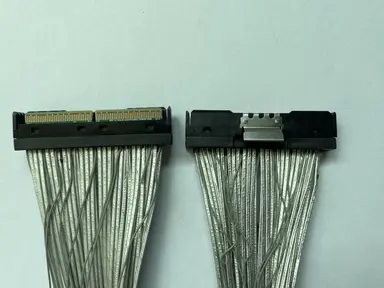
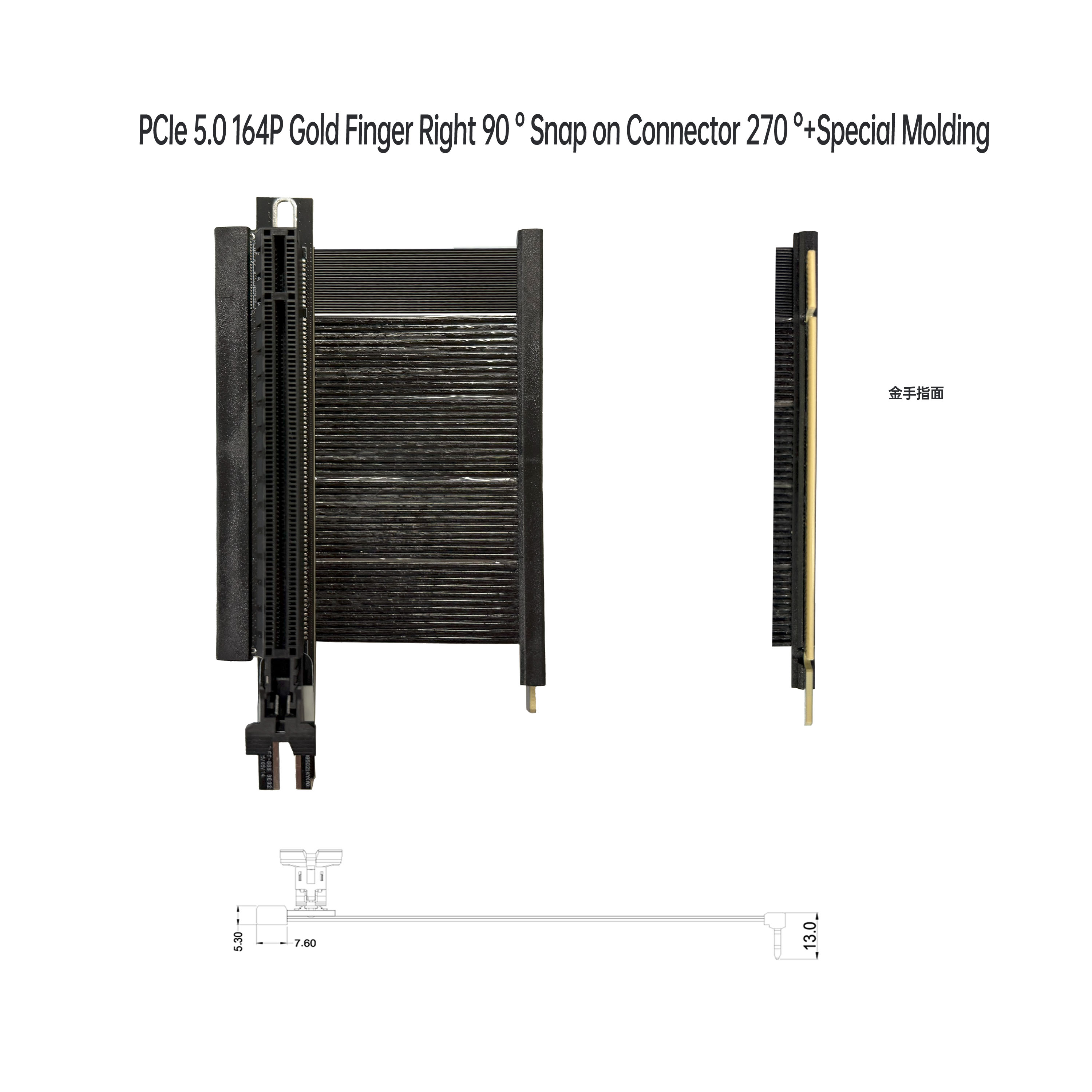
Planning a vertical GPU mount or a relocated expansion card? Compare three of our riser cable layouts and check orientation, length, mounting and sample validation.
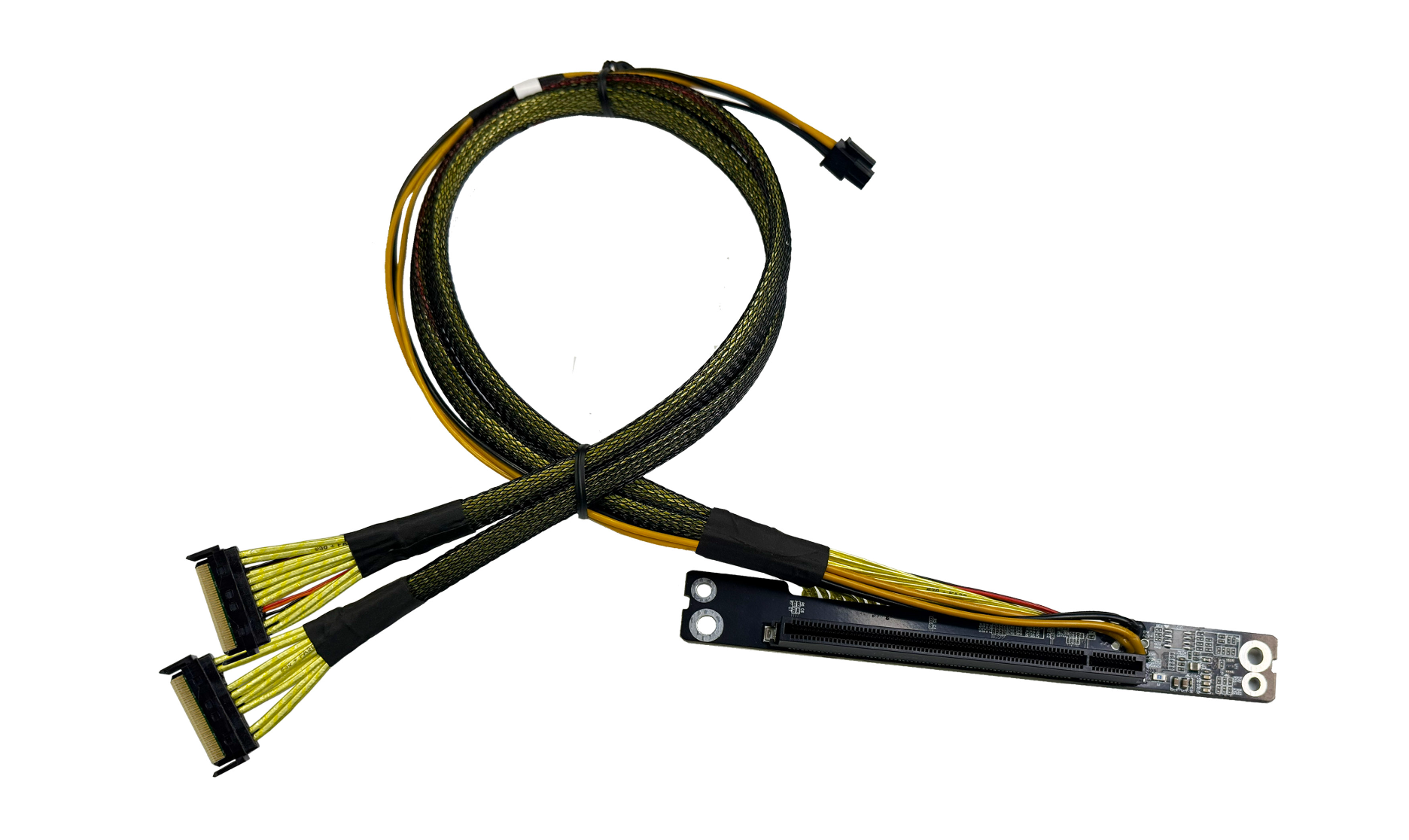
Planning a vertical GPU mount or a relocated expansion card? Compare three of our riser cable layouts and check orientation, length, mounting and sample validation.
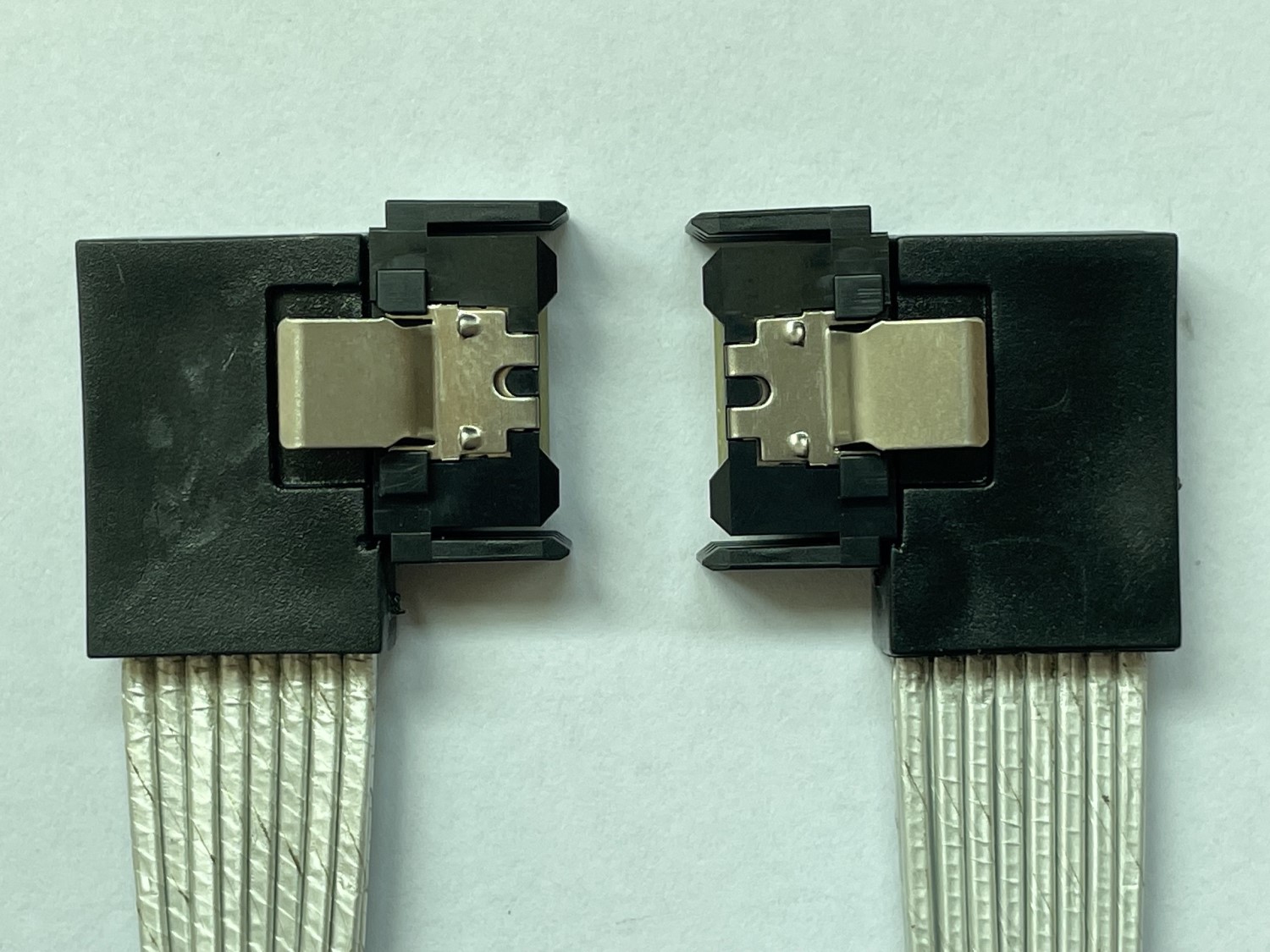
Compare three of our MCIO 4i cable layouts and see what to check before ordering: exit direction, latch access, routing clearance, length and wiring.

In modern servers, data centers, and AI computing architectures, as the PCI Express (PCIe) standard advances toward PCIe 5.0 (32 GT/s) and even PCIe 6.0 (64 GT/s), high-speed signal integrity and the internal physical layout of systems face unprecedented challenges. CEM Riser Cables and CEM Risers are two core solutions for PCIe expansion and interconnection. Although both are based on the PCIe CEM (Card Electromechanical) specification, they differ significantly in design form, signal characteristics, and application scenarios.

If you encounter issues such as failure to boot, no display output, or system instability when using a PCIe riser cable, follow this guide for troubleshooting. First, test the GPU directly connected to the motherboard. Then check the riser cable installation, power supply, PCIe slot, interface cleanliness, and BIOS settings. If the problem persists, contact technical support.

Dongguan Suntecc Technology released the 'MCIO vs SlimSAS Upgrade Guide' to explore how to smoothly transition from SlimSAS to MCIO or adopt hybrid deployment to balance existing storage and high-speed channels amid rising demands for PCIe Gen5/Gen6 and AI data centers. The guide offers technical comparisons, decision-making points, and upgrade roadmaps to help system architects and data center managers reduce risks and optimize costs.

With the rapid development of AI and high-performance computing, data centers face increasing demands for bandwidth and efficiency. PCIe Gen5 technology, with a transmission rate of 32 GT/s per lane, has become a core engine, while MCIO connectors serve as critical physical layer solutions, redefining high-speed interconnect standards. Dongguan Suntecc Technology offers high-performance MCIO cable assemblies to provide reliable and efficient PCIe Gen5 interconnect solutions for customers.

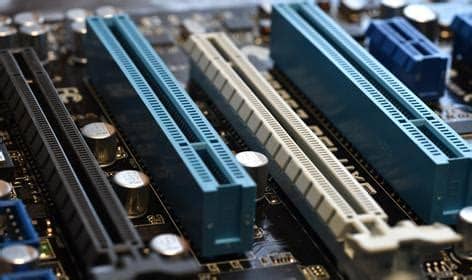
PCIe (Peripheral Component Interconnect Express) is a standard for connecting computer motherboards to peripheral devices, enabling high-speed data transfer through varying numbers of lanes (x1 to x16). It uses serial connections and a layered architecture, supporting multiple protocols and widely applied in various computing fields. PCIe 7.0 will offer higher bandwidth and lower latency to meet demands in AI and HPC.

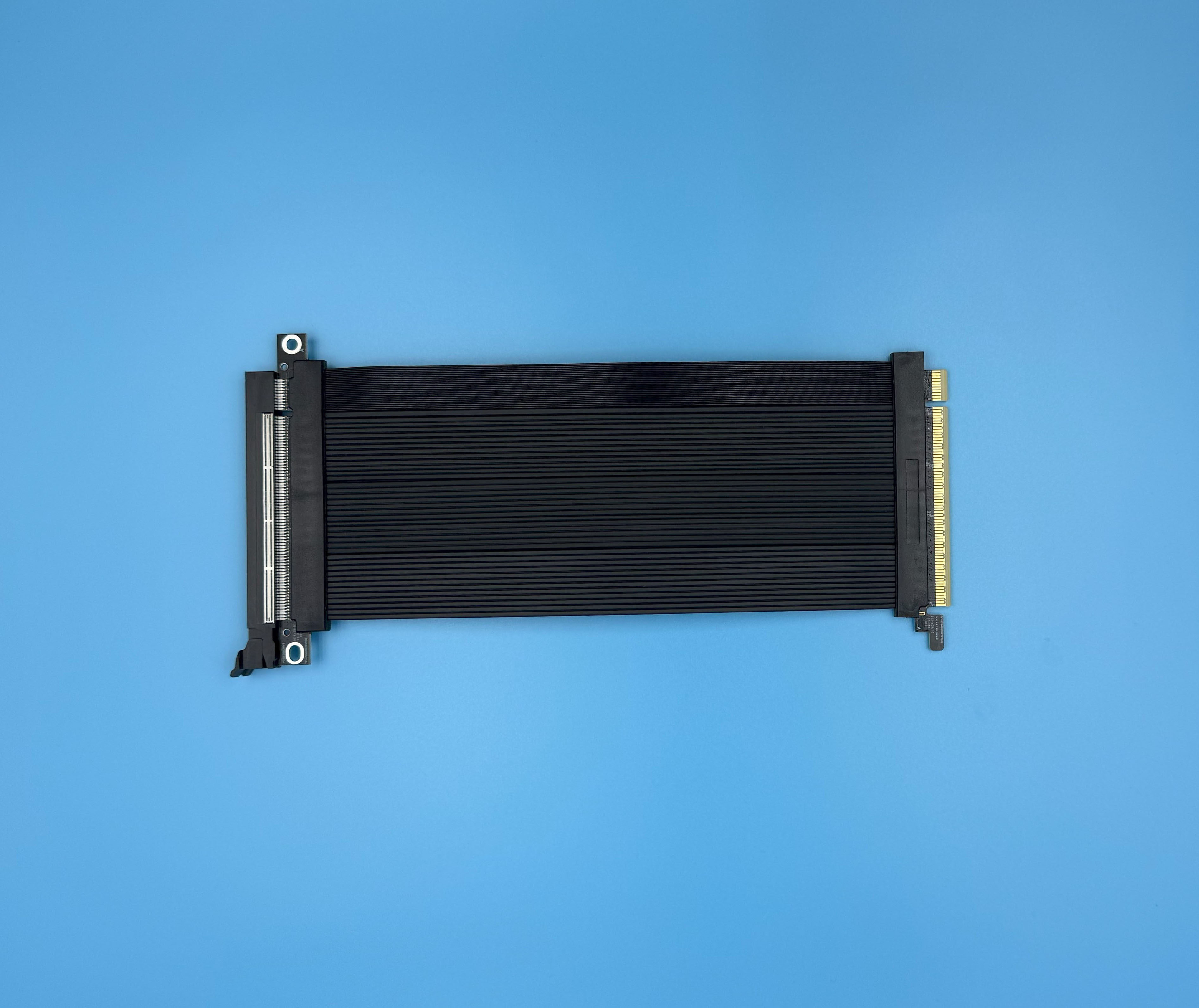
Planning a vertical GPU mount or a relocated expansion card? Compare three of our riser cable layouts and check orientation, length, mounting and sample validation.
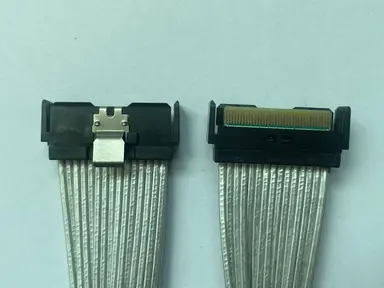
Compare three of our MCIO 4i cable layouts and see what to check before ordering: exit direction, latch access, routing clearance, length and wiring.

In modern servers, data centers, and AI computing architectures, as the PCI Express (PCIe) standard advances toward PCIe 5.0 (32 GT/s) and even PCIe 6.0 (64 GT/s), high-speed signal integrity and the internal physical layout of systems face unprecedented challenges. CEM Riser Cables and CEM Risers are two core solutions for PCIe expansion and interconnection. Although both are based on the PCIe CEM (Card Electromechanical) specification, they differ significantly in design form, signal characteristics, and application scenarios.

If you encounter issues such as failure to boot, no display output, or system instability when using a PCIe riser cable, follow this guide for troubleshooting. First, test the GPU directly connected to the motherboard. Then check the riser cable installation, power supply, PCIe slot, interface cleanliness, and BIOS settings. If the problem persists, contact technical support.

Dongguan Suntecc Technology released the 'MCIO vs SlimSAS Upgrade Guide' to explore how to smoothly transition from SlimSAS to MCIO or adopt hybrid deployment to balance existing storage and high-speed channels amid rising demands for PCIe Gen5/Gen6 and AI data centers. The guide offers technical comparisons, decision-making points, and upgrade roadmaps to help system architects and data center managers reduce risks and optimize costs.

With the rapid development of AI and high-performance computing, data centers face increasing demands for bandwidth and efficiency. PCIe Gen5 technology, with a transmission rate of 32 GT/s per lane, has become a core engine, while MCIO connectors serve as critical physical layer solutions, redefining high-speed interconnect standards. Dongguan Suntecc Technology offers high-performance MCIO cable assemblies to provide reliable and efficient PCIe Gen5 interconnect solutions for customers.

PCIe (Peripheral Component Interconnect Express) is a standard for connecting computer motherboards to peripheral devices, enabling high-speed data transfer through varying numbers of lanes (x1 to x16). It uses serial connections and a layered architecture, supporting multiple protocols and widely applied in various computing fields. PCIe 7.0 will offer higher bandwidth and lower latency to meet demands in AI and HPC.